Why Marine Grade Burners Are Better
Outdoor fire features can face rain, humidity, pool water, coastal air, chemicals and repeated temperature changes. Fire by Design marine-grade burners are built for these demanding environments using 316 stainless steel, water-conscious burner geometry and serviceable construction.
What Makes a Burner “Marine Grade”?
One of the biggest differences is the material itself.
Fire by Design marine-grade burners are constructed from 316 stainless steel. While 304 stainless steel is widely used in outdoor products, 316 stainless steel provides improved resistance to corrosion, particularly in environments where moisture, salts or chlorides may be present.
That makes 316 stainless steel especially well suited for applications such as:
- Poolside fire features
- Fire-and-water features
- Fountains
- Coastal environments
- High-humidity locations
- Outdoor installations regularly exposed to water
No stainless steel is completely immune to corrosion, but 316 stainless steel provides an additional level of protection for demanding outdoor applications.
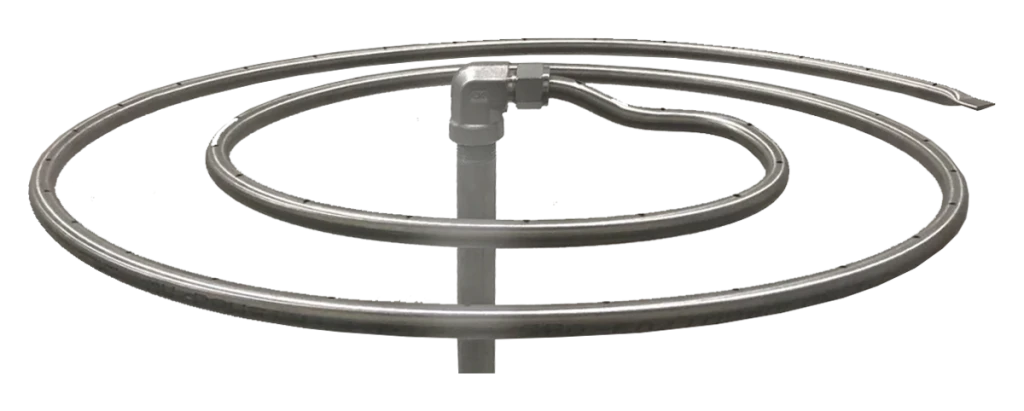
See the Comparison Below!
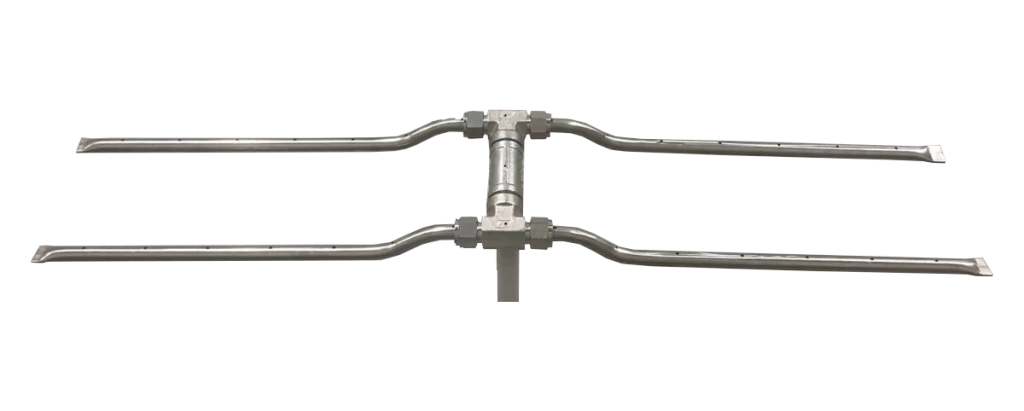
Marine-grade Linear Burner
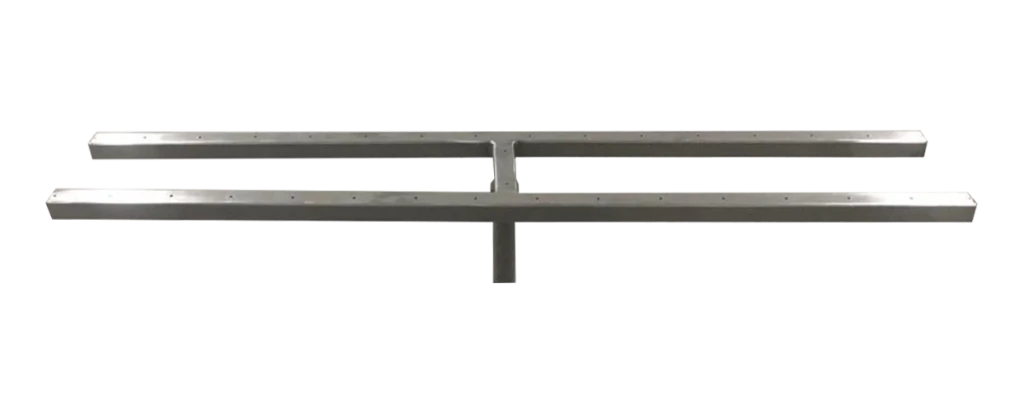
Typical 304 Stainless Steel Linear Burner
316 Stainless Steel vs. Typical 304 Stainless Steel Burners
The difference between marine-grade and conventional burner construction goes beyond appearance.
A typical burner manufactured from 304 stainless steel can perform very well in normal outdoor applications. However, environments involving frequent moisture exposure, chlorinated water, salt air or similar conditions can be significantly more demanding.
For these applications, 316 stainless steel offers greater resistance to the pitting and localized corrosion that can occur when stainless steel is exposed to chlorides. Fire by Design’s marine-grade burner construction is intended to provide additional durability where these conditions are expected.
Threaded Construction Instead of Welded Connections
Another important difference is how the burner assembly is constructed.
Many conventional burners rely heavily on welded connections. Welds are common and appropriate in many burner applications, but they introduce additional joints that can be affected by repeated heating, cooling, moisture exposure and long-term outdoor use.
Fire by Design marine-grade burner assemblies use threaded fittings at key connections instead.
Fewer welded junctions: Reducing the number of welded connections helps eliminate potential stress points within the burner assembly.
Improved serviceability: Threaded components can be disconnected when necessary, making portions of the burner assembly easier to access, service or replace.

See the Comparison Below!
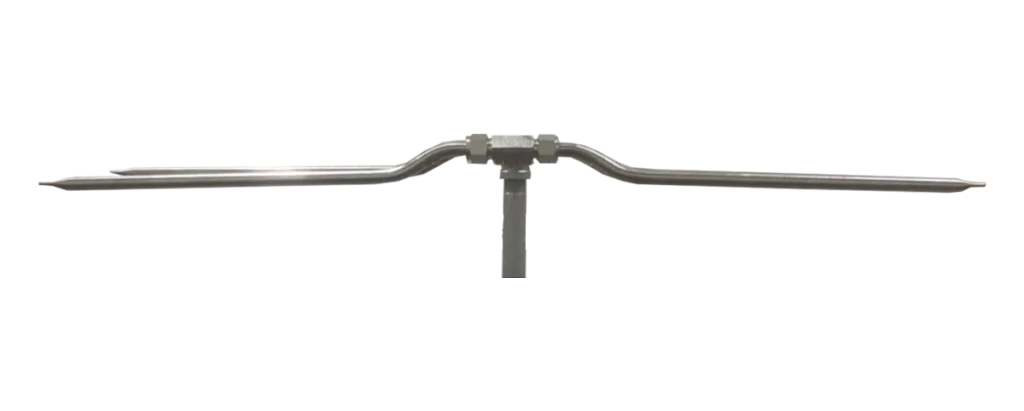
Marine-grade Burner Side Profile
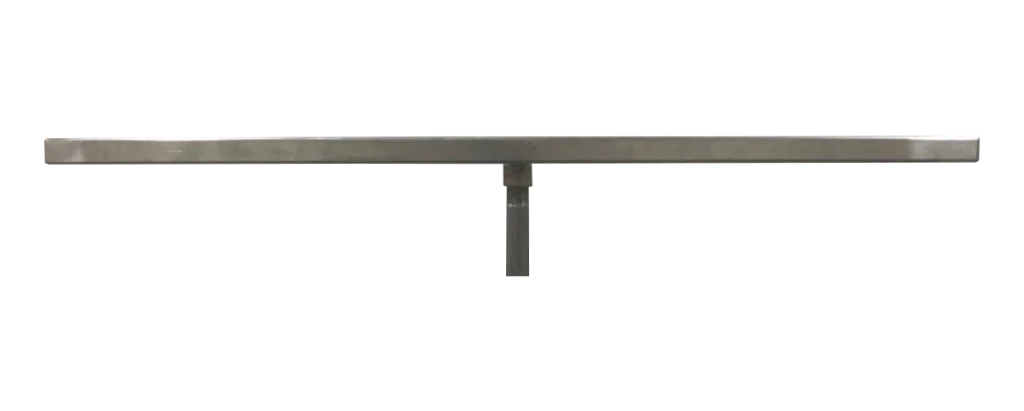
Typical Linear Burner Side Profile
Designed to Better Manage Water
The geometry of the marine-grade burner is another important part of its design.
On the marine-grade design, the burner tubes and burner ports sit below the elevated gas inlet connection. This helps reduce the likelihood of water traveling directly from the burner surface into the gas supply connection.
By comparison, some conventional burner designs position the gas connection at approximately the same level as the burner itself.
This does not mean that water can never enter a gas system. Proper drainage, installation, maintenance and system design are still essential. However, the raised inlet geometry provides an additional layer of protection for fire features where the burner may regularly encounter water.
Marine-grade Burner
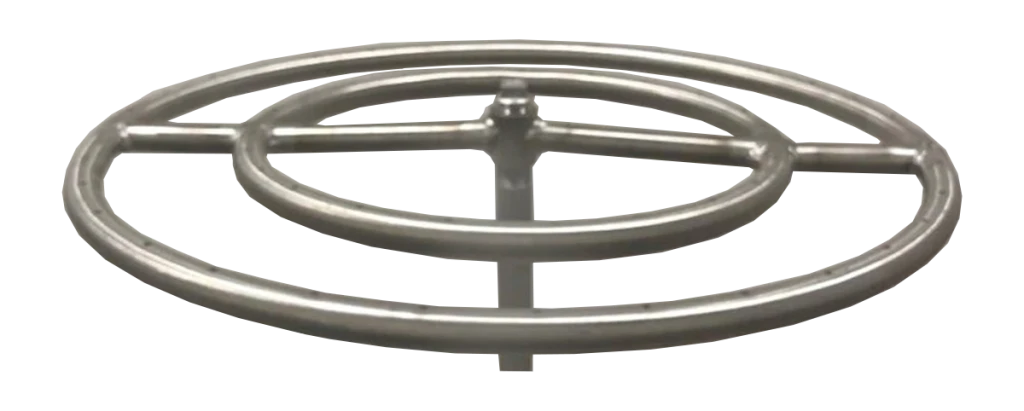
Typical Round Burner
The Same Approach Applies to Round Burners
Marine-grade construction is not limited to linear burners. Fire by Design also uses this design approach in round and round-style burners.
All marine-grade burners uses the same basic principle: 316 stainless steel construction, an elevated gas inlet, burner ports positioned below the inlet, serviceable fittings and construction intended for demanding outdoor environments.

Built for Fire Features Where Water Is Part of the Design
Marine-grade burners are particularly useful when fire and water are incorporated into the same feature.
Examples include fire bowls located beside pools, burners incorporated into fountains, fire-and-water troughs and architectural features where water may surround or periodically contact portions of the burner assembly.
Selecting materials and burner designs intended for these conditions can help improve long-term reliability and simplify future maintenance.
Easier Access for Service and Maintenance
One of the less obvious benefits of the marine-grade burner design is serviceability.
Because key burner connections use threaded fittings, portions of the burner can be disconnected when access is needed beneath the burner assembly.
This can be particularly helpful when servicing ignition components. Instead of treating the burner as one permanently assembled component, technicians can access specific sections of the system with less disruption to the surrounding fire feature.


Which Marine Grade Burner Is Right for Your Project?
Fire by Design offers marine-grade and submersible burners in several configurations, allowing the burner pattern to match the shape and design of the fire feature.
Submersible Center Feed Burners
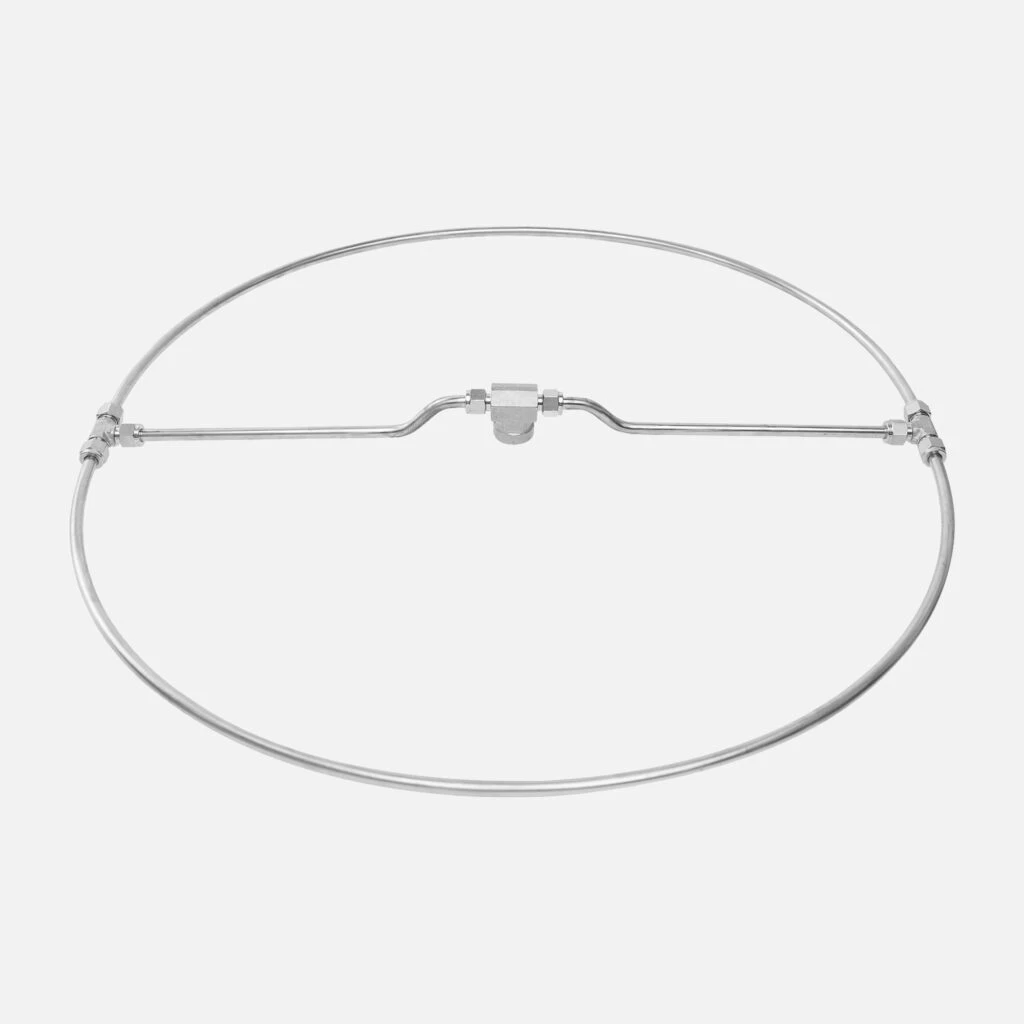
A versatile center-fed burner design for round and custom fire features.
Submersible Double Ring Burners
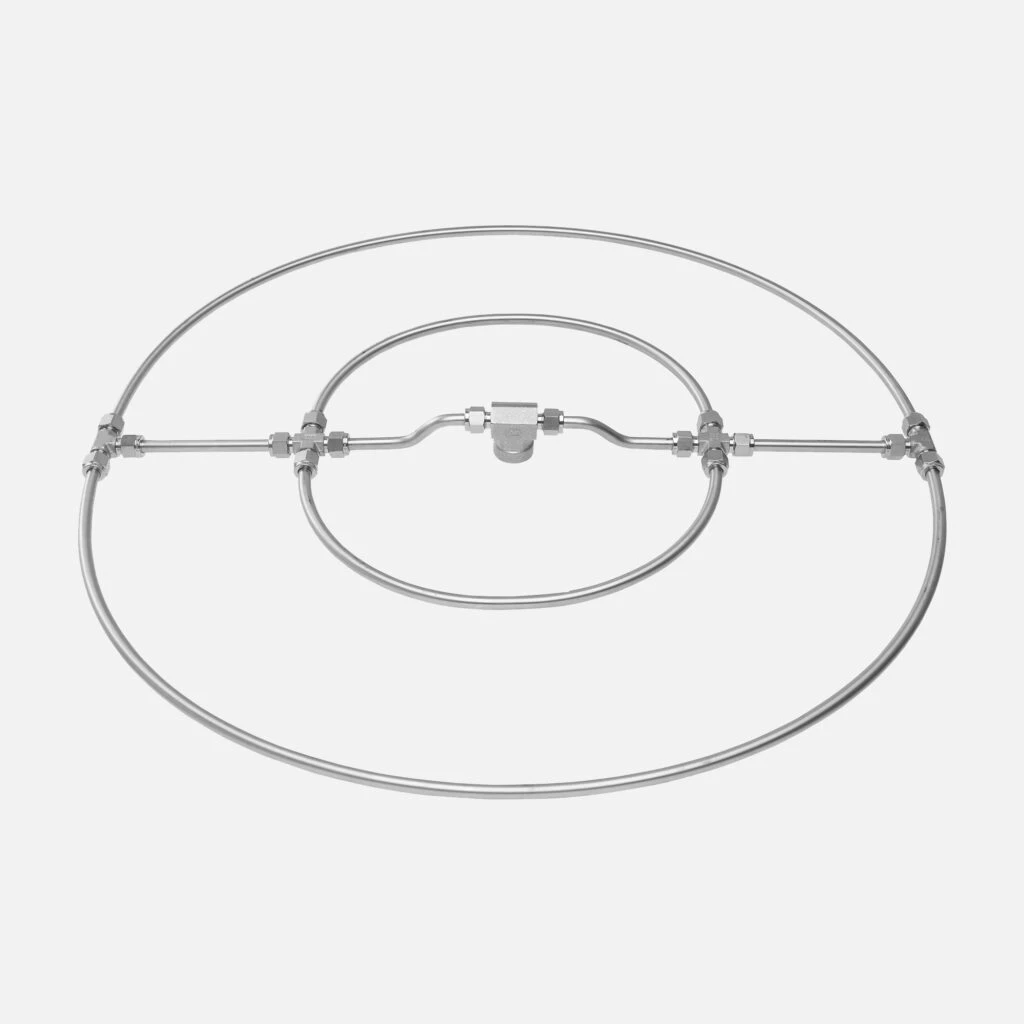
Designed to create a fuller circular flame presentation across larger round fire features.
Submersible Linear H Burners
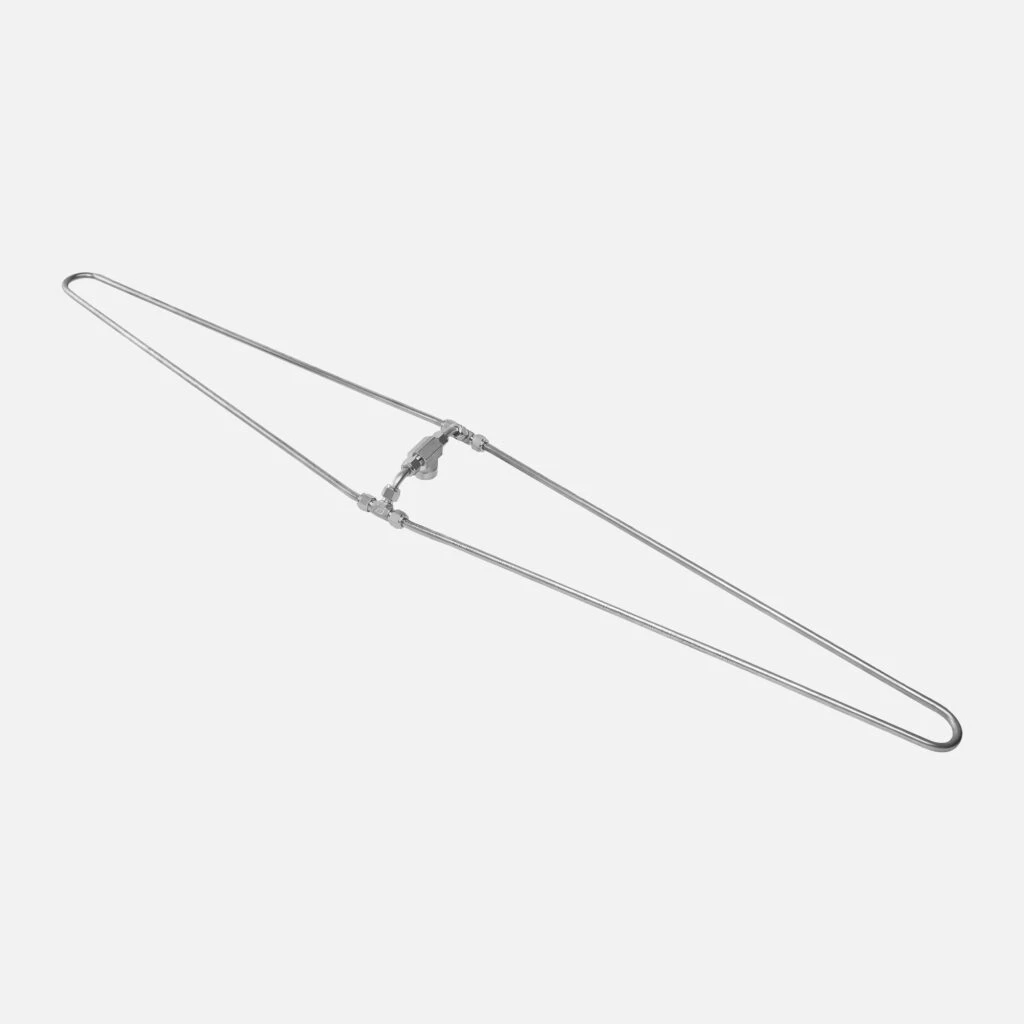
An H-shaped burner configuration designed to distribute flame across rectangular and linear fire features.
Submersible Linear T Burners
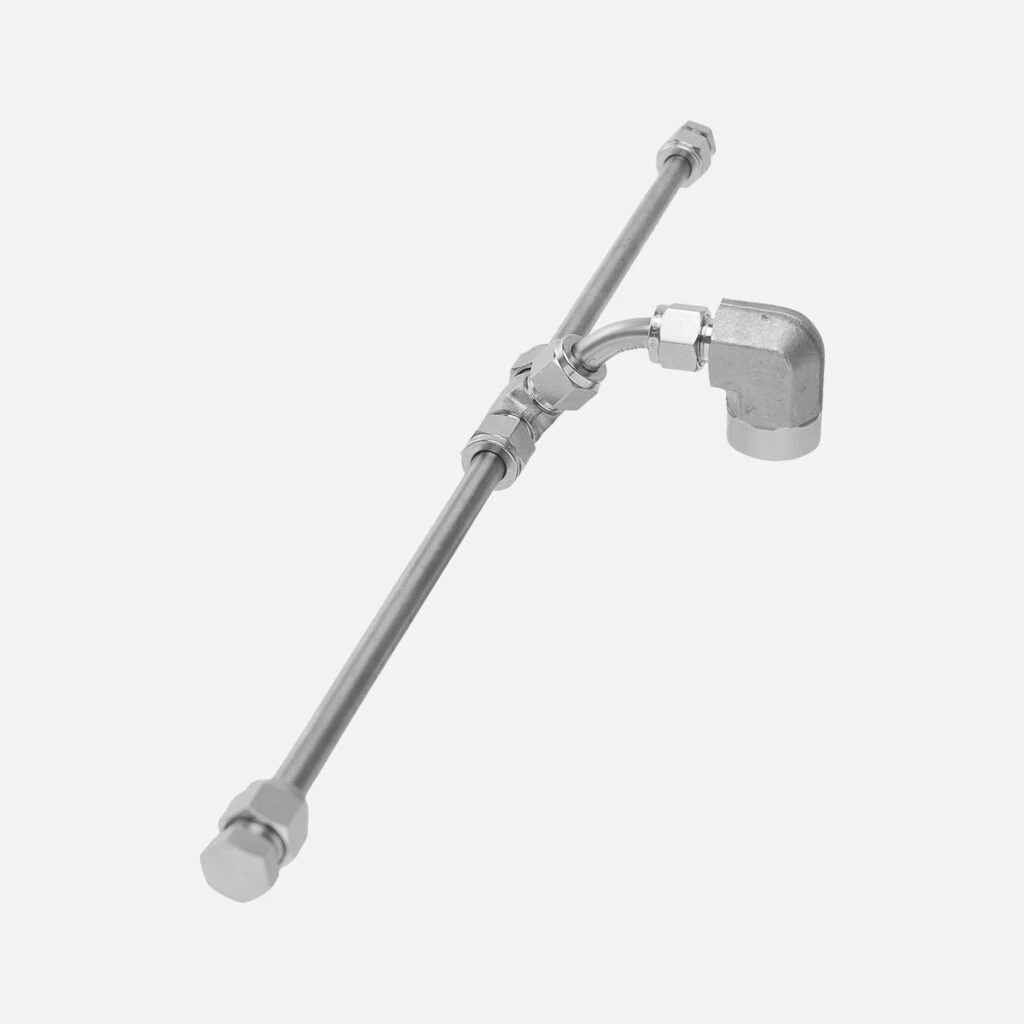
A linear burner configuration offering another option for long or narrow fire feature designs.
Are Marine Grade Burners Worth It?
For a standard outdoor fire feature that remains relatively dry, a conventional stainless steel burner may be completely appropriate.
Marine-grade construction becomes especially valuable when the installation involves frequent moisture, pool environments, coastal exposure, fountains or fire-and-water applications.
In those situations, the combination of 316 stainless steel, raised gas inlet geometry, threaded construction and improved service access provides advantages that go well beyond appearance.
The result is a burner designed around the environment in which it will actually be used.
Need Help Selecting a Burner?
Every fire feature is different. Burner shape, size, fuel type, installation conditions and exposure to water should all be considered when selecting a burner system.
Explore all Fire by Design burners or contact the Fire by Design team for help determining the best burner configuration for your project.